Advancing Rare Together
A Night at the Museum With Rare New England
April 18, 2026 | 5:00PM - 7:30PM
Be part of an extraordinary evening where rare diseases take the spotlight, and your work brings the unseen to life!
Each ticket purchase includes admission to event, full day parking, museum admission, 1 drink & light refreshments
This one-of-a-kind fundraising event will bring together patients, families, healthcare providers, researchers, advocates, and community leaders for an unforgettable evening of inspiration, innovation, and impact.
Guests will explore a dynamic rare disease exhibit featuring cutting-edge projects, creative presentations, and powerful personal stories that highlight both the challenges and breakthroughs within the rare disease community. With interactive displays developed by students, healthcare professionals, and advocacy groups, the evening is designed to educate, inspire, and foster meaningful collaboration.
Why It Matters
Rare diseases may be individually uncommon, but collectively they affect 1 in 10 people—more than 30 million Americans.
Many individuals face long and complex diagnostic journeys
Treatment options are often limited or nonexistent
Families frequently encounter significant gaps in support and resources
Together, we have the power to accelerate awareness, drive innovation, and bring hope to those impacted.
This event is more than a fundraiser—it is an opportunity to stand alongside families, celebrate resilience, and advance rare disease awareness in a truly impactful and engaging way.
If you have questions, please contact our Executive Director, Nicole White at nicole@rarenewengland.org.
Sponsorship opportunities and tables are still available, offering a wonderful way for organizations and community leaders to show their support while gaining meaningful visibility at this inspiring event.
Meet Our Exhibitors
Exhibit Name: Rarest of the Rare: Manton Center for Orphan Disease Research
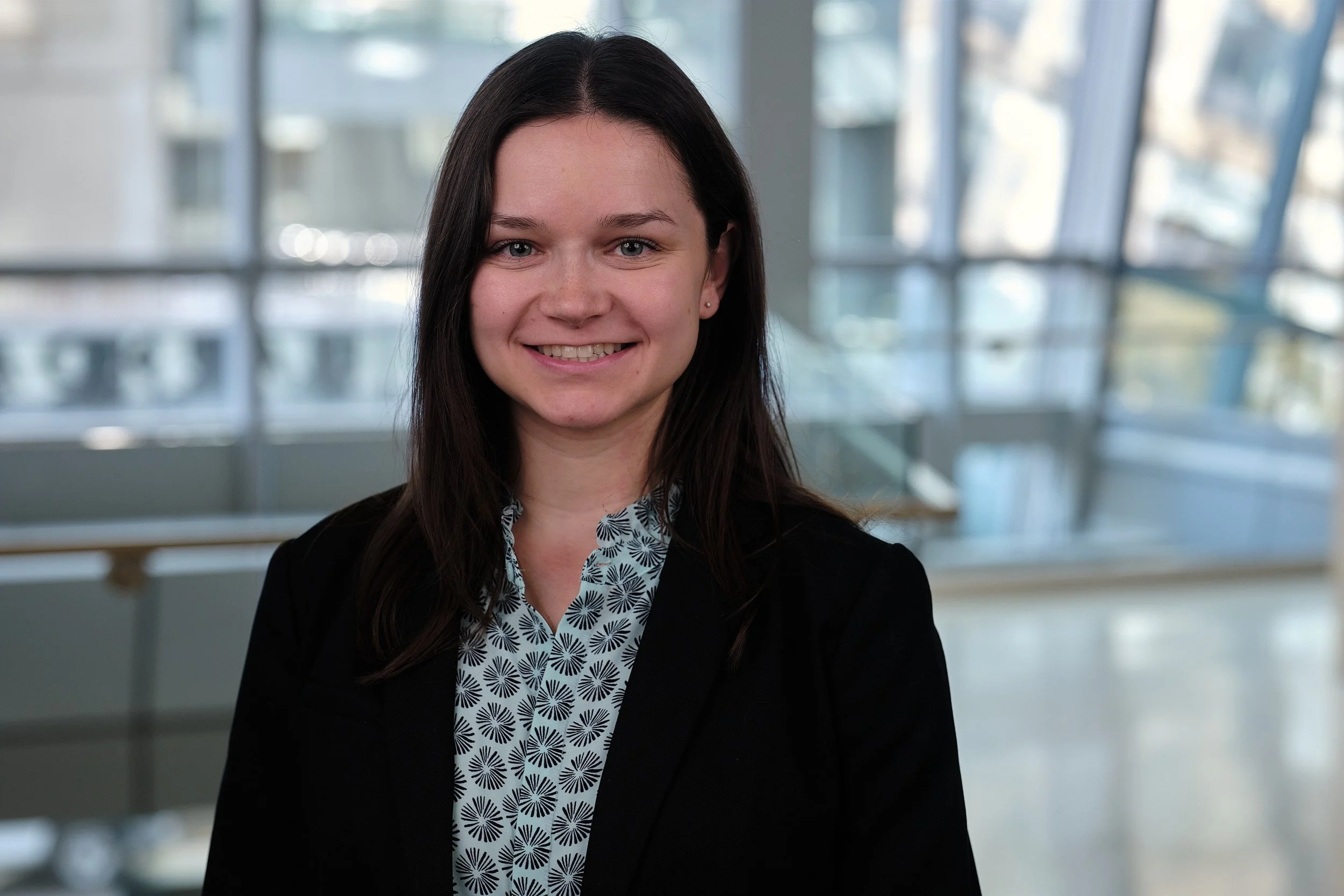
Presenter: Katherine Anderson, MS, CGC is a genetic counselor and project manager for The Manton Center for Orphan Disease Research at Boston Children’s Hospital. Her interest in rare disease research started as a project manager and coordinator with an Angelman syndrome research group in 2021 and continued throughout her graduate training at the Boston University Genetic Counseling Program, where she spent time as a Leadership Education in Neurodevelopmental Disabilities (LEND) Fellow at Boston Children’s. She now splits her role at the Manton Center between interacting directly with research participants and conducting genomic analysis of sequencing data.
The Gene Discovery Core (GDC) is a genetic research study at The Manton Center for Orphan Disease Research at Boston Children’s Hospital. At their exhibit, researchers from the Manton Center will showcase case examples of families whose diagnoses have been pushed forward through their program. They will also facilitate interactive activities that aim to put visitors in the role of a researcher or genomic analyst, offering hands-on activities for a variety of ages and backgrounds.
Exhibit Name: The Rare Perception Project
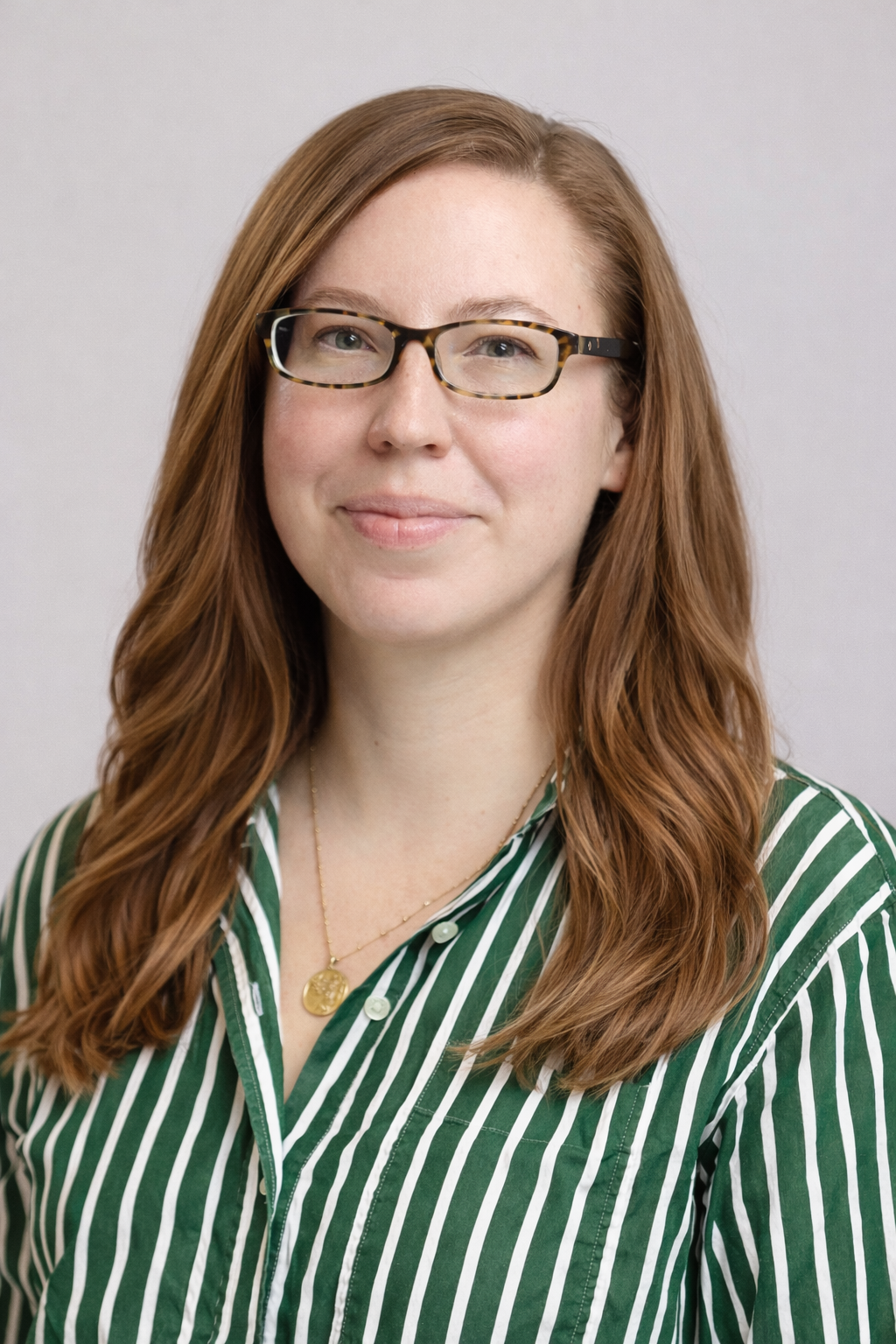
Presenter: Amanda Van Eps is a multidisciplinary designer, artist, and advocate whose work bridges art, systems thinking, and public policy to explore how perception shapes access, equity, and decision-making. She serves as a Commissioner on the Vermont Commission on Women and is a board member of Disability Rights Vermont. Her creative practice, Haus of Van Eps, centers on translating lived experience, particularly within rare and complex disease communities, into accessible visual frameworks that foster understanding and systemic change.
The Rare Perception Project is an interactive, perception-based installation that explores how rare and complex diseases are often misunderstood or overlooked due to gaps between lived experience and institutional systems. Using color, visual filtering, and layered interpretation, the exhibit invites participants to experience how the same information can appear differently depending on the lens through which it is viewed. The work encourages empathy, curiosity, and more inclusive approaches to designing care, policy, and communication.
Exhibit Name: My NF Guide: Navigating Neurofibromatosis Type 1 Care
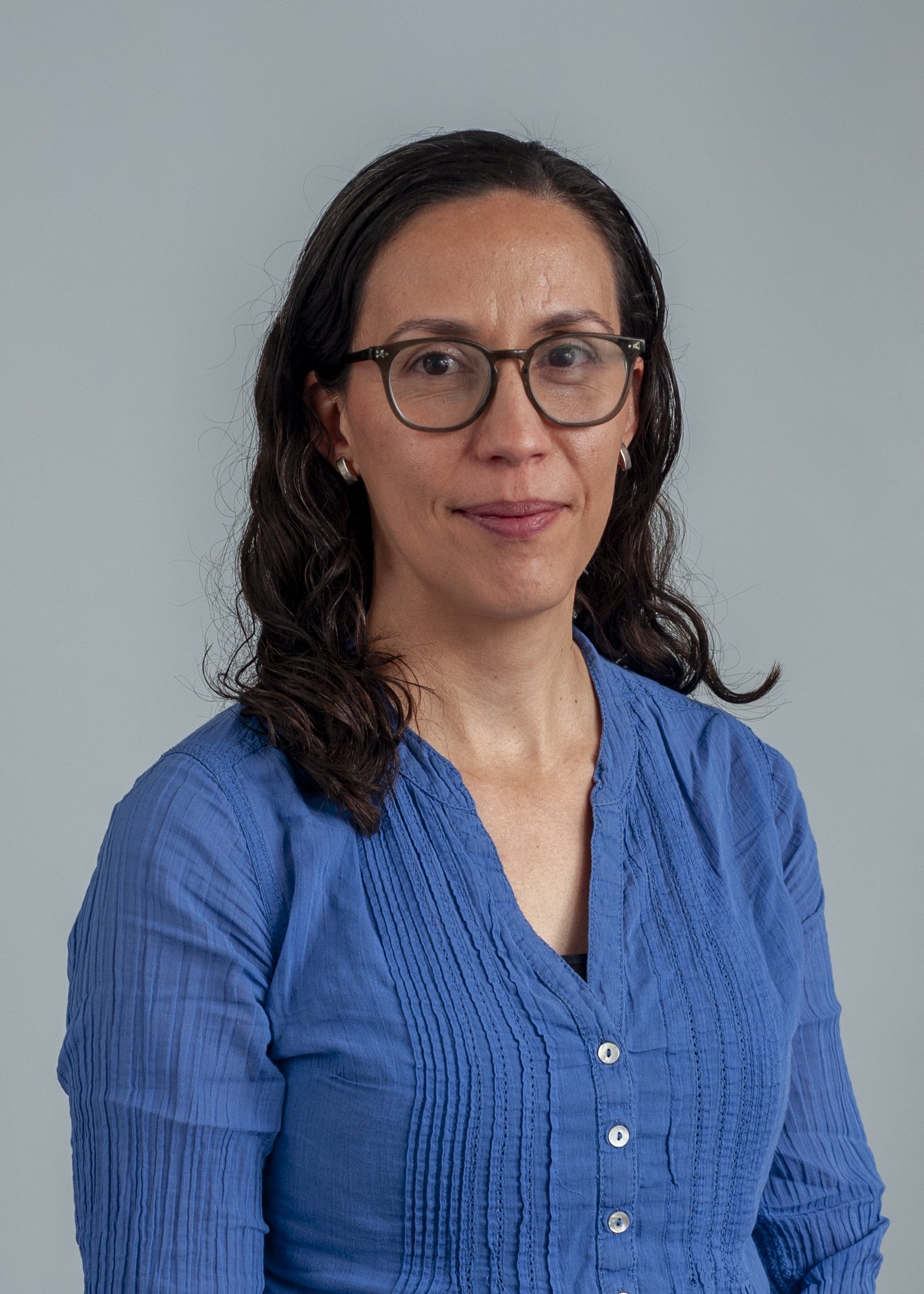
Presenter: Paulina Arias is a Project Manager at the Family Center for Neurofibromatosis and Shwannomatosis at Massachusetts General Hospital.
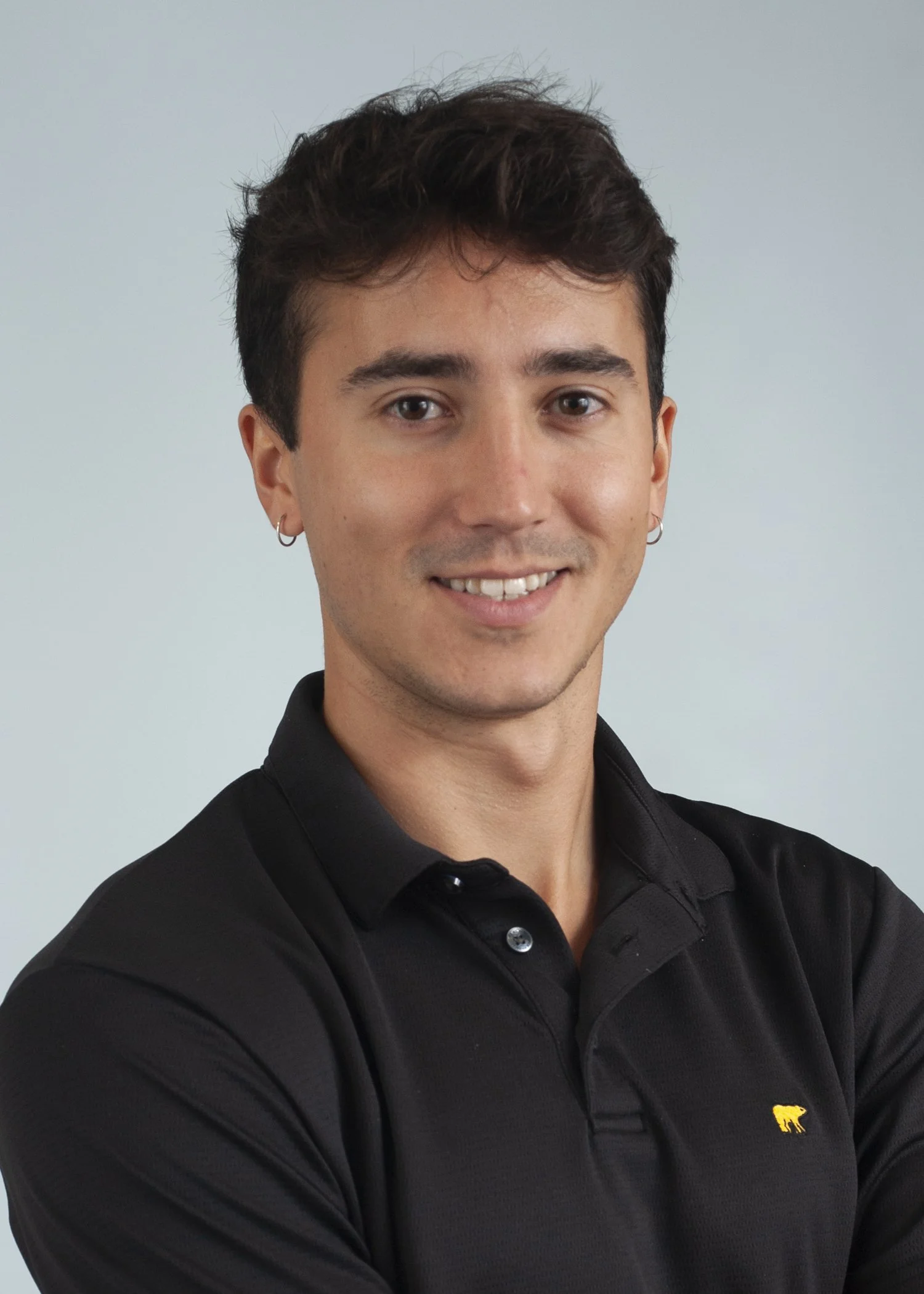
Presenter: Evan Koch is a Clinical Research Coordinator at the Family Center for Neurofibromatosis and Shwannomatosis at Massachusetts General Hospital.
Neurofibromatosis Type 1 (NF1) is a rare genetic condition that can affect people in many different ways, and requires specific, ongoing screening and monitoring. This exhibit explores how tailored health guidance and patient–provider partnerships can empower patients and strengthen primary care’s role in rare disease management.
Exhibit Name: Exploring the Journeys of Rare Disease Advocates
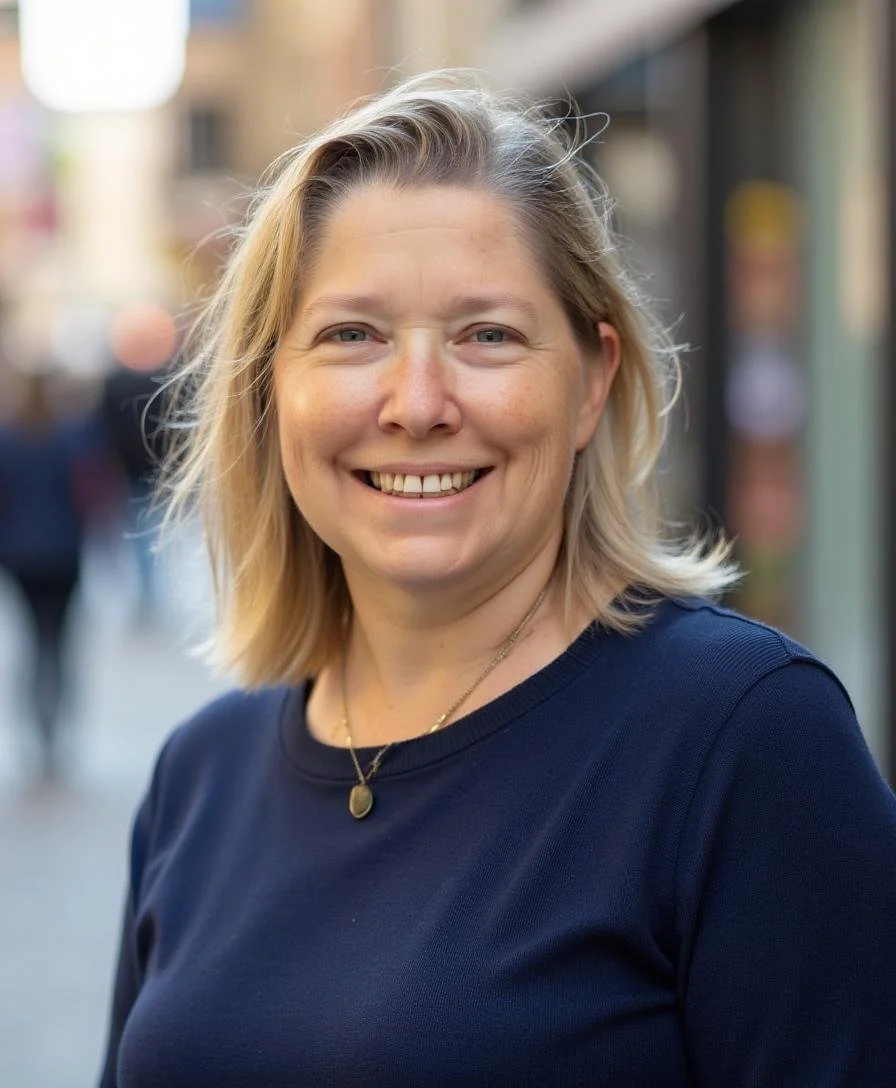
Presenter: Maya Doyle (MSW, PhD) is a social work educator, and rare disease researcher-advocate who teaches in the MSW program and the Frank H. Netter MD School of Medicine at Quinnipiac University (QU). QU has created a model Interprofessional Education event which introduces students to the experience of the diagnostic odyssey, living with a rare disease and being a caregiver. Prior to joining QU, she was recognized with the Society for Social Work Research’s Dissertation Award for her study on emerging adulthood and healthcare transitioning for young people with rare disease and has published articles and chapters related to the experience of illness, healthcare transition, and genetics literacy for social workers. She is a founding member of the Social Work and Genetics Collaborative (SWAG Collab). Maya has been a speaker at many patient/family advocacy meetings, created educational resources for patients and caregivers, hosted transitioning workshops for teens and their parents, and currently serves on the advisory boards of the Cystinosis Research Network and the XLH Foundation.
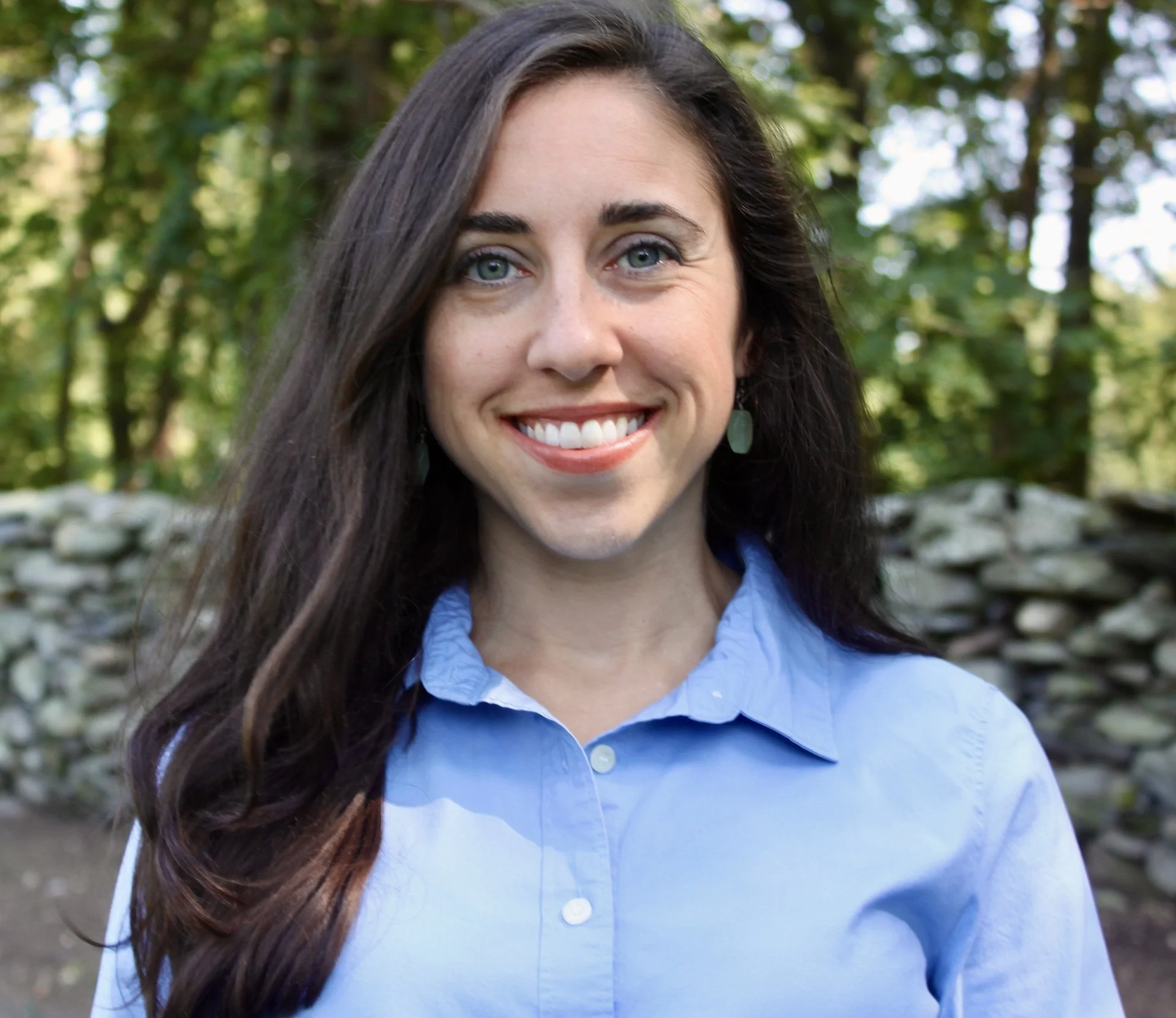
Presenter: Kayla McGowan, MA is a second-year medical student at the Frank H. Netter MD School of Medicine at Quinnipiac University. Kayla has a Master of Art in Health Communication from Emerson College and has held communication roles with the Harvard T.H. Chan School of Public Health and Rhode Island Department of Health. She is pursuing a career combining her interests in pediatrics, rare disease, internal medicine, and public health. Kayla is conducting this research on rare disease advocacy as part of her medical school capstone project.
What makes an effective advocate for rare disease care, and how can the medical community support advocacy efforts? This research project aims to learn more about the trajectory and turning points in the experiences of those who are advocating for rare disease personally, professionally, or both. In addition to a research poster, the exhibit will also demonstrate how our academic institution is striving to raise rare disease awareness for future healthcare providers.
Exhibit name: Speak Up for Rare: The NFSA’s Youth Advocacy Movement
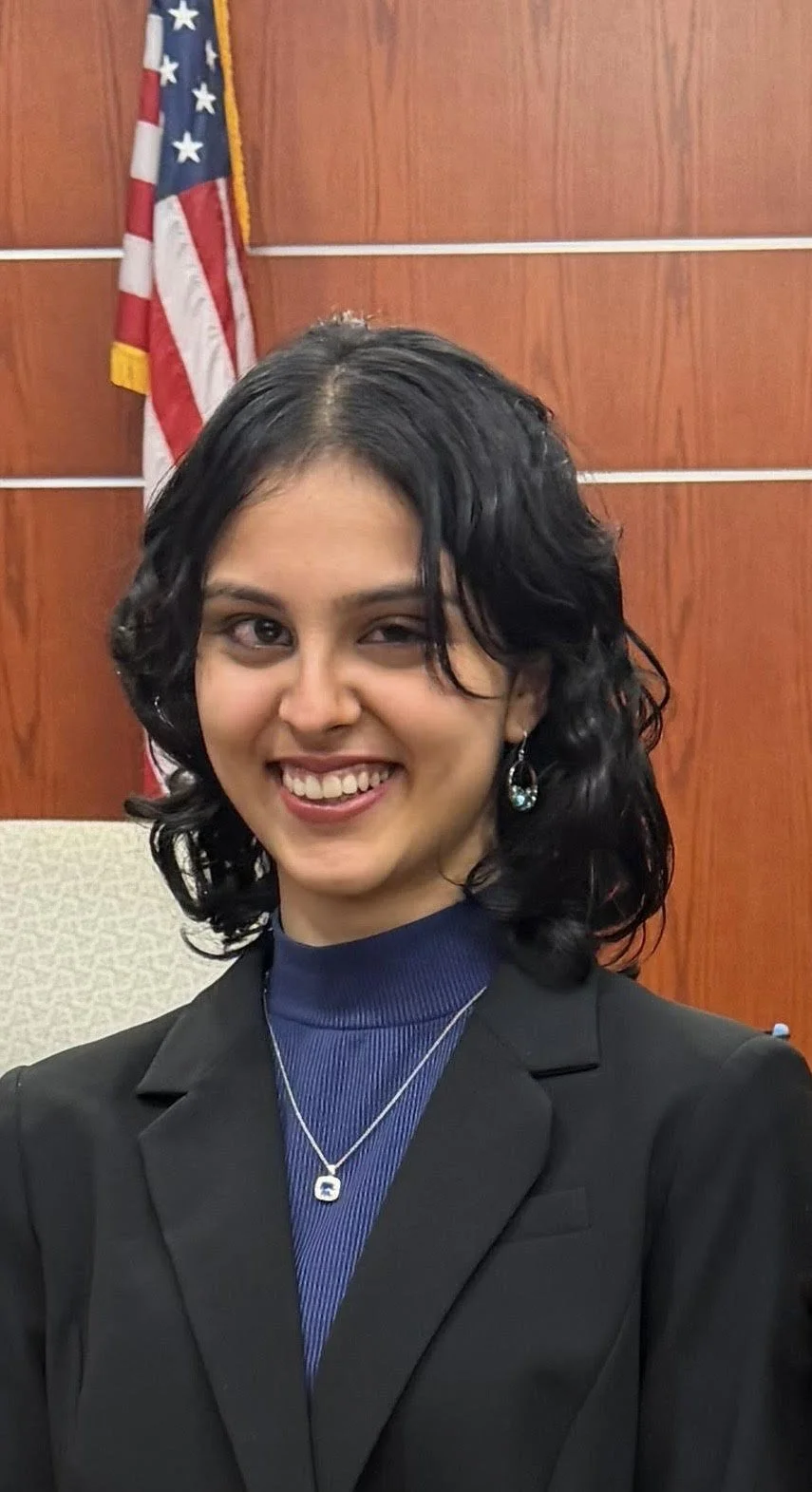
Presenter: Shruti Shah is a high school junior who was diagnosed with neurofibromatosis type 2 (NF2) at six years old. Motivated by her own experiences navigating complex care, she and her brother, Soham, founded the Neurofibromatosis Student Alliance to raise awareness within their local medical community and beyond. Their organization focuses on bridging innovative approaches to NF care with the real-world impact of national health policy. Through their work with the NF Network, they have advocated on Capitol Hill, contributing to efforts that helped secure $25 million in federal research funding for NF. Looking ahead, Shruti aspires to become a radiologist and continue advancing advocacy and access for the rare disease community.
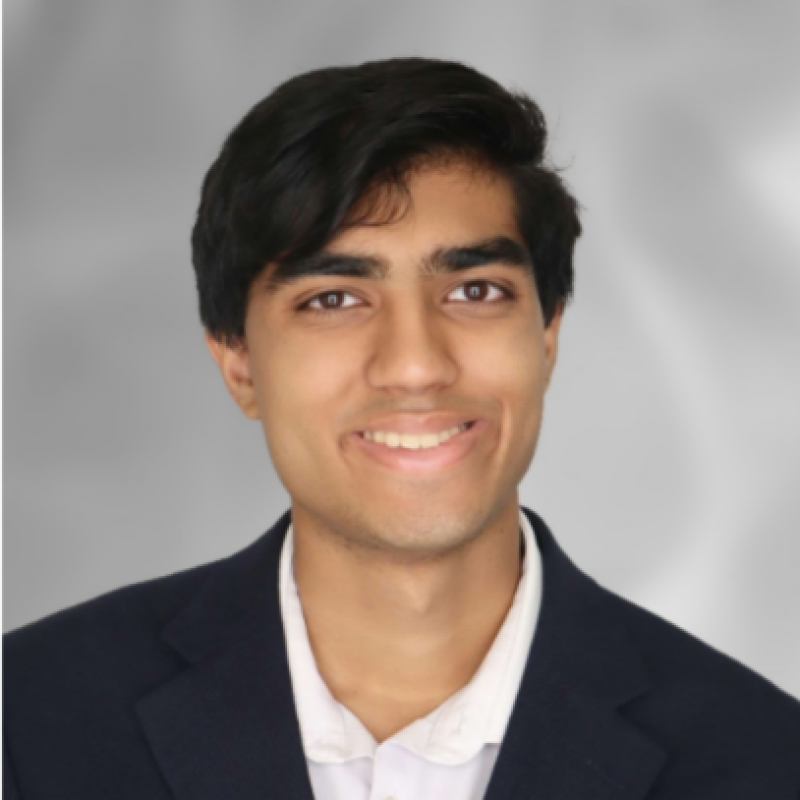
Presenter: Soham Shah is a first‑year accounting student at the University of Connecticut and co‑founder of the NF Student Alliance, a student‑led effort he started with his sister Shruti to turn their family’s experience with neurofibromatosis into broader rare disease advocacy. Watching her navigate NF2 and multiple surgeries pushed him from quiet fear into action—organizing students, meeting with policymakers, and partnering with regional organizations to push for earlier diagnosis, better research funding, and more compassionate care for young people living with rare conditions. Alongside his work as an analyst with Hillside Ventures and founder of an education startup, he is focused on building a career at the intersection of business, storytelling, and health equity so that families like theirs don’t feel alone in the waiting room.
The NFSA’s “Youth Advocacy Movement" features a vibrant tri fold display with photos from Neurofibromatosis Student Alliance advocacy campaigns, clear explanations about NF, and youth-led success stories. Visitors can read real advocacy letters, share their own messages on an interactive “Advocacy Wall,” and even write letters to legislators, discovering how small actions can make a big impact for those living with rare diseases.
Exhibit name: Brave Pages: The Rare StoryLab
Presenter: Catherine (Catie) Becker is a Pediatric Nurse Practitioner at Massachusetts General Hospital (MGH). Catie received her master’s degree in Pediatric Acute/Chronic Advanced Practice Nursing from the University of Pennsylvania. She has spent the last 15 years working in pediatric neurology at MGH as. Catie joined the MGH Leukodystrophy clinic in 2011. Since 2011 she has been fortunate to work with a multidisciplinary team of care providers treating both children and adults with leukodystrophy, while participating in multiple ongoing clinical trials.
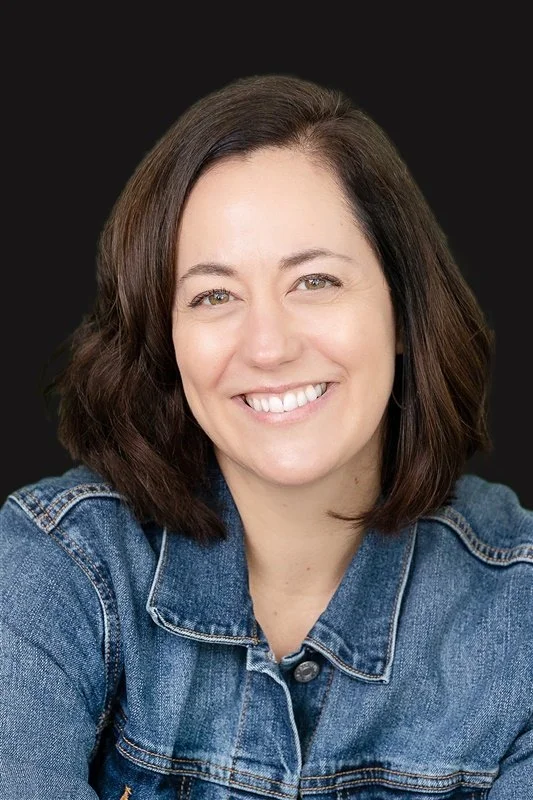
Presenter: Christie Higuera is the Program Director at the Center for Rare Neurological Diseases at Massachusetts General Hospital (MGH), where she leads patient advocacy, communication strategy, and clinical operations. She holds a Master’s degree in Education and spent 20 years working in the field of education before transitioning into healthcare leadership- an experience that deeply informs her approach to communication, systems-building, and family engagement.
Brave Pages: The Rare StoryLab is an interactive storytelling experience for pediatric rare disease warriors, siblings, and their families. Guided by prompts, children will explore emotions, strength, and hope through drawing, painting, writing, comic-making, and mini-journaling. Completed creations are displayed in a Brave Pages Gallery, inviting attendees to experience rare disease through a child’s eyes. The project also launches a digital storybook collection, extending these powerful voices beyond the museum walls. Brave Pages honors children as experts of their own lived experience—transforming stories into art, awareness, connection, and courage.
Thank you to our sponsors!
Presenting Sponsor

Champion Sponsor


Project Sponsor
Innovation Sponsor

Advocate Sponsor
Community Sponsor